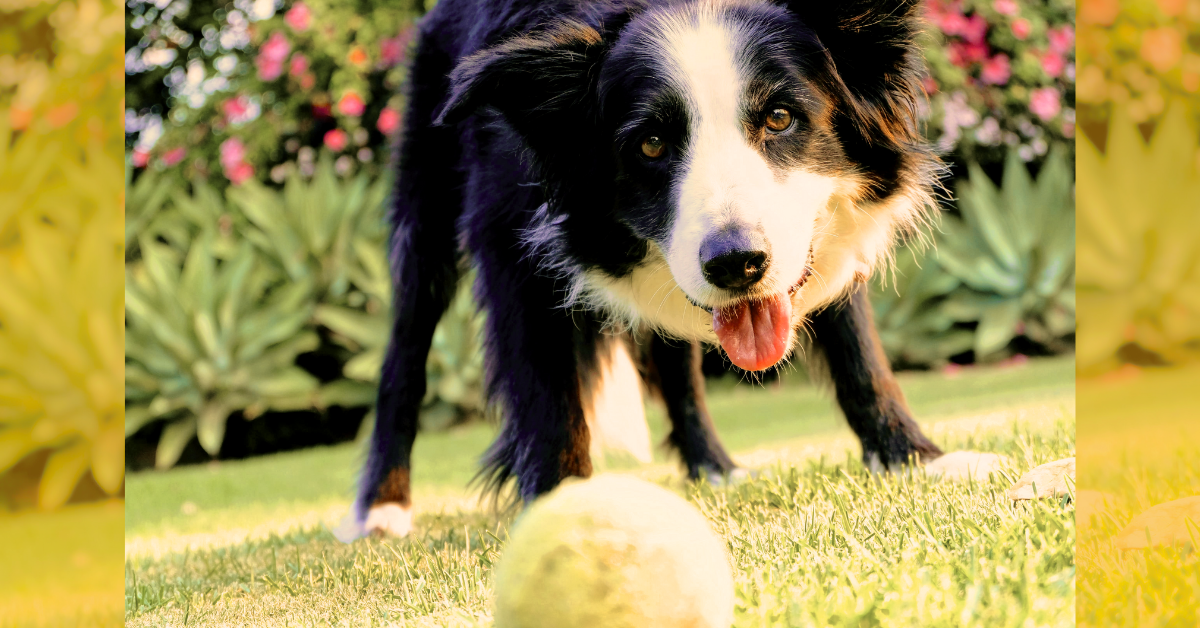
Beating the Heat: Smart Summer Wellness Tips for Your Pets

Is it just me? or is it EXTRA hot this summer…. and it’s not just us… When the temperatures rise, your pets feel it too! But, unlike us humans, dogs and cats don’t sweat it out they pant, overheat quickly, and depend on us to help them stay safe and cool. Summer pet care goes way beyond keeping the water bowl full. This season, let’s dive into some unexpected, veterinarian-backed wellness tips to keep your furry friends healthy, hydrated, and happy.

☀️ Why Summer is Harder on Pets Than You Think

While most people associate hot weather with beach days and BBQs, pets experience summer stress differently:

  • Panting = cooling (but it’s not always effective)
  • Paw pads burn on hot pavement in under 60 seconds!
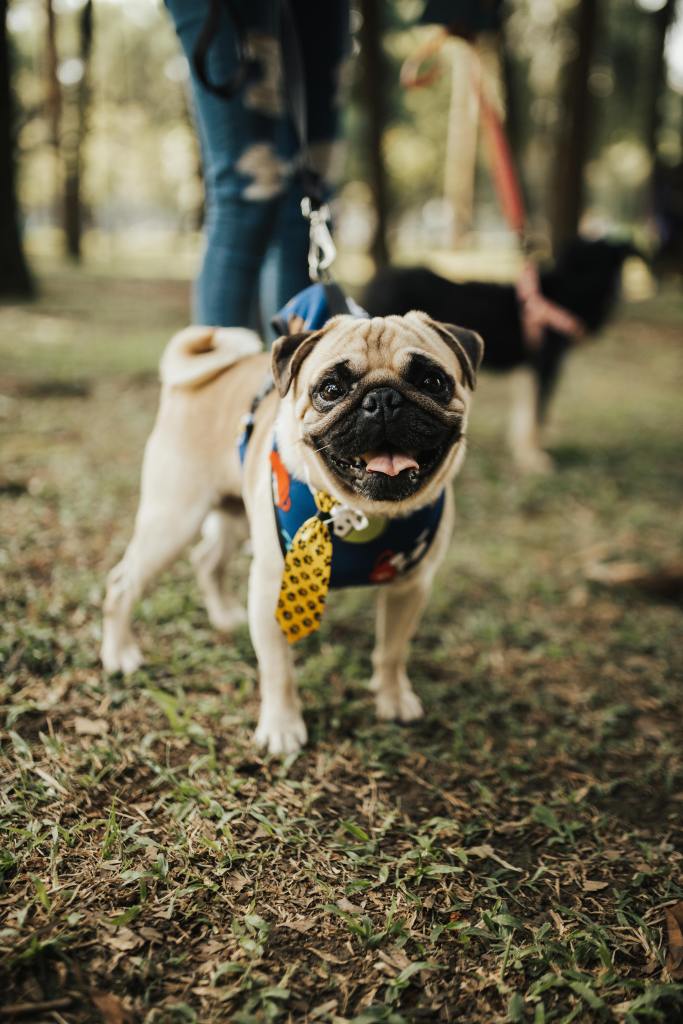
  • Short-snouted breeds (like Pugs or Frenchies) are especially prone to heatstroke
  • Senior pets and those with heart conditions are at higher risk for dehydration and overheating

Knowing this, proactive summer care isn’t a luxury, it’s a wellness essential.


1. Upgrade Their Water Game

💧You’re already refilling the water bowl but is it doing enough?

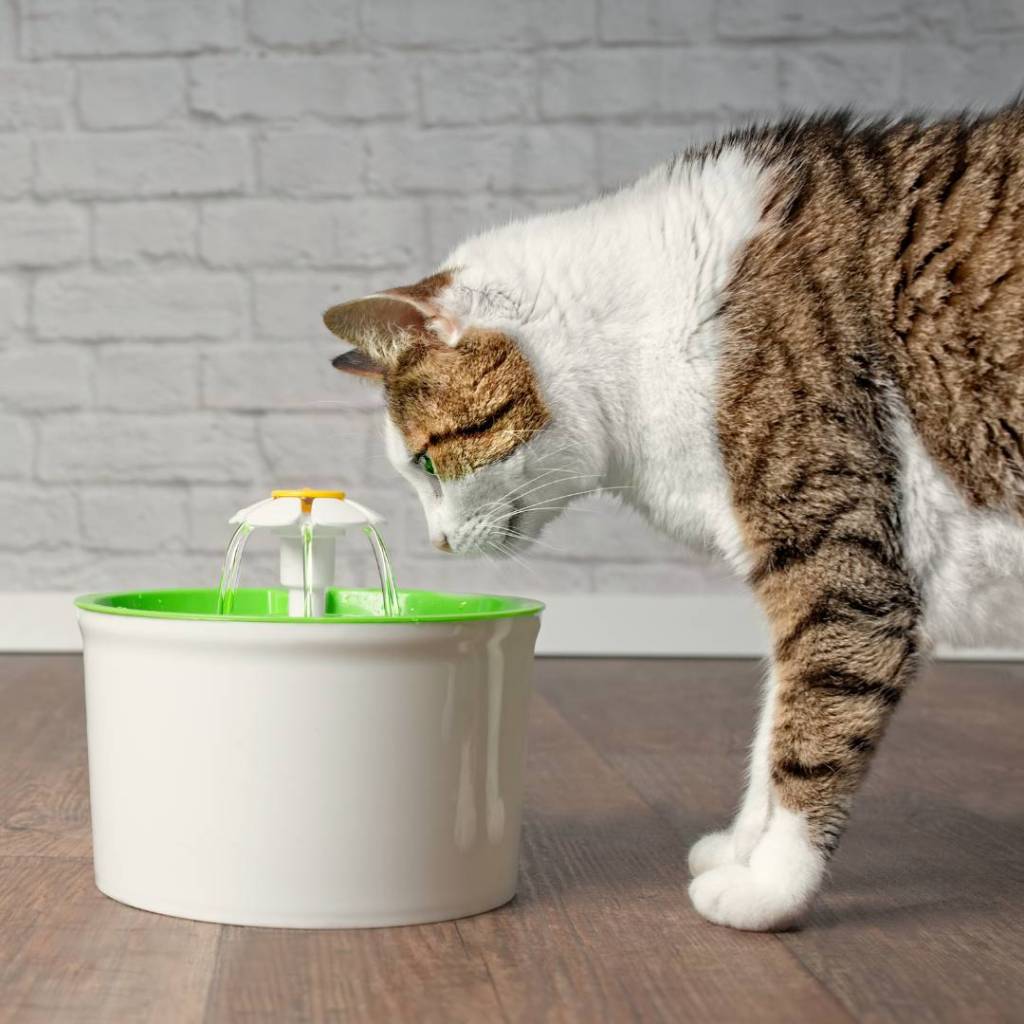
Unique Wellness Tip: Add a dog-safe electrolyte mix (like coconut water ice cubes or vet-approved hydration powder) to their bowl or use a pet water fountain to encourage more drinking.

📌 Pro Tip: For cats, broth ice cubes made from unsalted chicken or bone broth can increase hydration through play and licking.


2. Chill From the Inside Out

Instead of relying only on fans or shade:

Try pet-safe frozen yogurt (plain Greek yogurt + a touch of pumpkin or blueberries)

Freeze toys (rubber Kongs filled with peanut butter + banana mash)

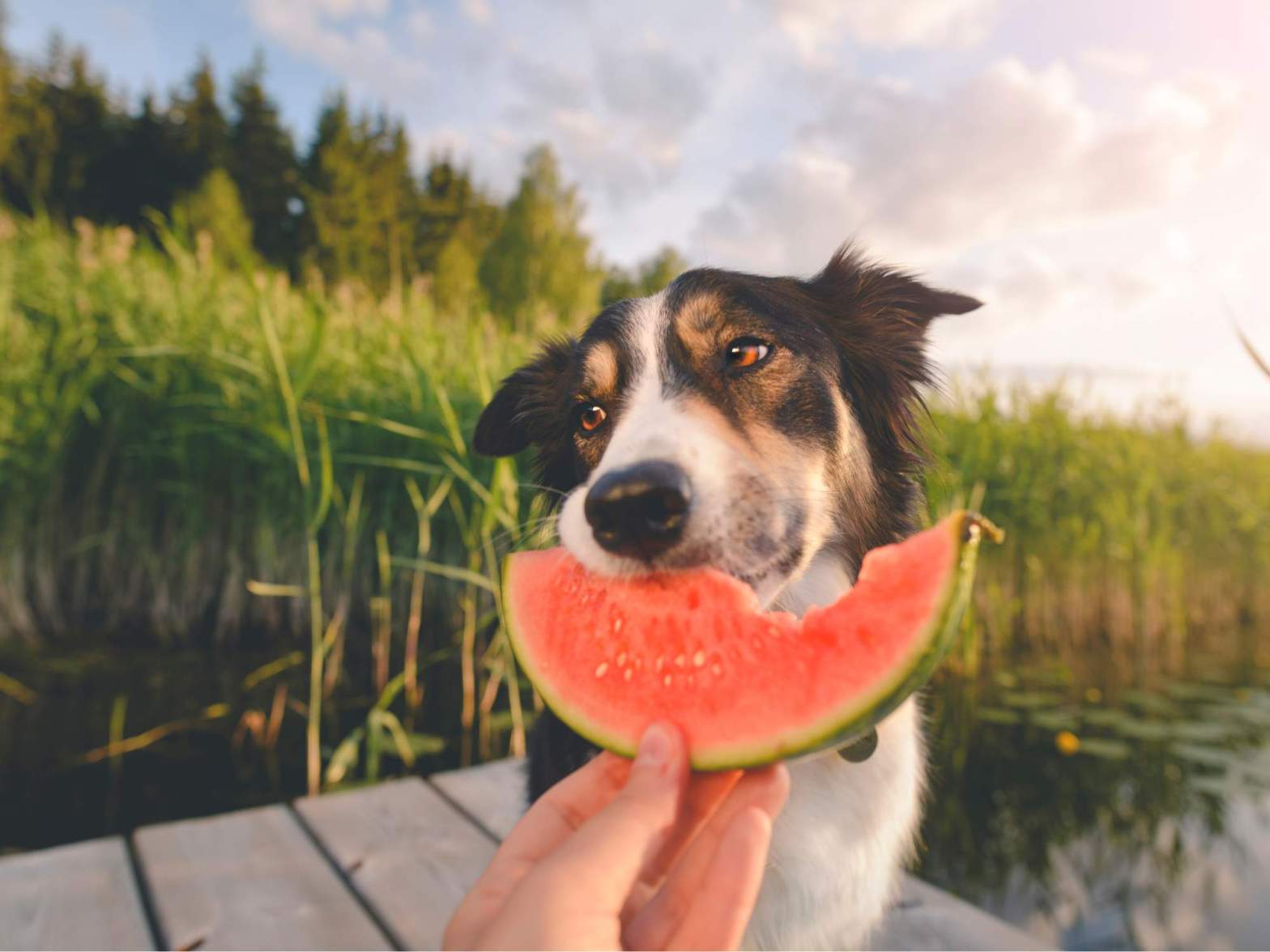
Offer “cooling snacks” like frozen watermelon (no seeds!) or cucumber slices

Bonus: These snacks support gut health and reduce inflammation.


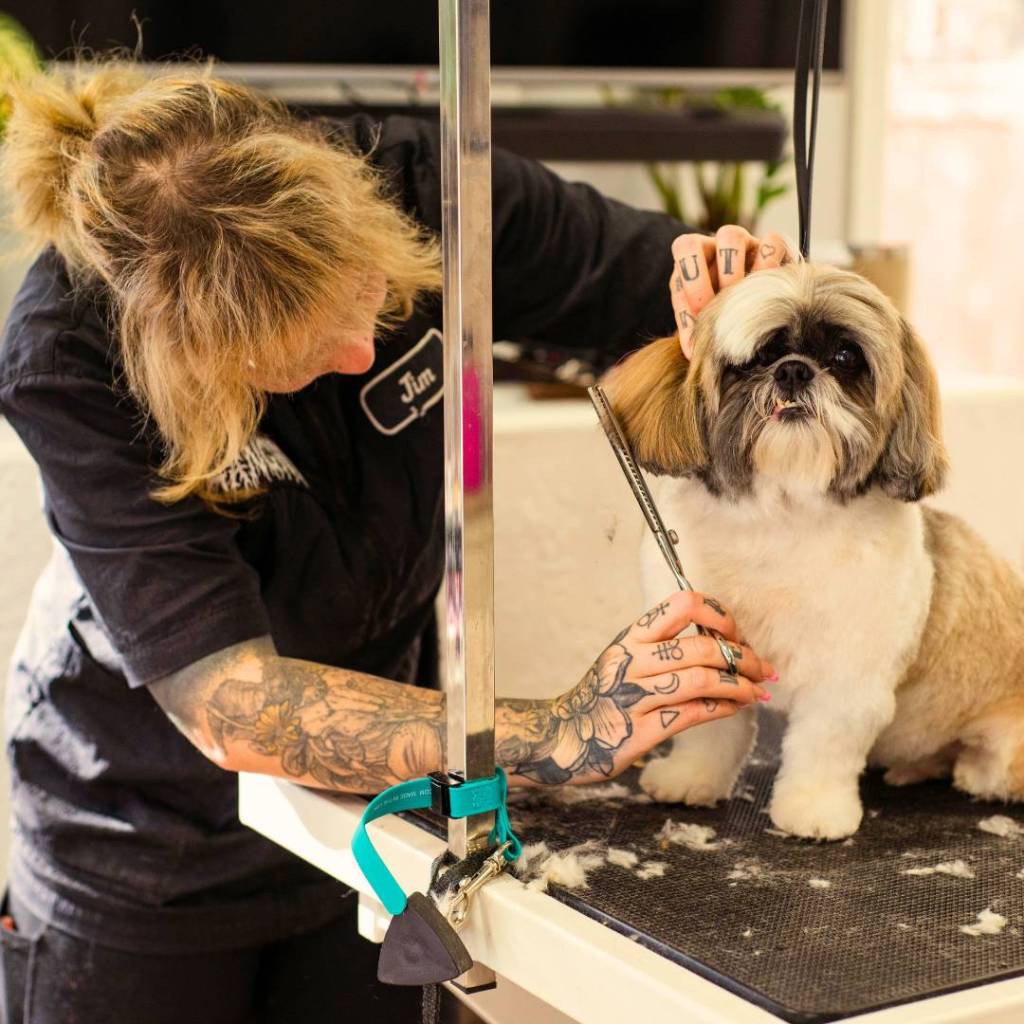
3. Skip the Shave, Get a Summer Trim Instead

Many pet parents believe shaving their dogs in the summer helps them stay cool. The truth? It can backfire.

🐶 Double-coated breeds (Huskies, Labs, Goldens) actually rely on their coats to regulate temperature and protect against UV rays. Instead of shaving:

  • Ask your groomer for a “cool trim” to remove excess bulk
  • Brush daily to get rid of dead undercoat and allow better airflow
  • Apply dog-safe sunscreen to vulnerable areas (nose, belly, ears)

🚫 4. Rethink Your Walk Times

Best hours for exercise: Before 9 AM and after 7 PM.

But also consider this:

  • Stick to grassy or shaded areas to avoid paw burns
  • Booties can protect paws, but only if your pet tolerates them
  • Keep walks short and sniff-heavy mental stimulation is just as enriching as physical

5. Cool Down Their Sleeping Spot

Don’t just think about their food or walks your pet’s rest area matters too.

  • Switch to cooling gel beds or elevated mesh cots
  • Place beds near ventilation sources (but not in direct AC blasts)
  • Use cooling wraps or breathable cotton bandanas soaked in water

Final Thought: Be Proactive, Not Reactive

Heatstroke can set in within minutes. But by taking intentional steps: hydrating smart, timing exercise, and supporting recovery, you’re not just a pet parent, you’re a wellness advocate for your furry friend.

Let’s make this summer safe, cool, and joy-filled for every wag and whisker.

Feel the Joy, Not the Itch: A Spring Survival Guide for Allergy-Prone Pets

Ah, springtime! The air is alive with the sweet scent of blossoms, birds are serenading us, and our furry pets are practically bouncing with renewed energy. But for some of our pets, this season of renewal can bring a less welcome guest: Spring Allergies! If you’ve noticed your dog or cat morphing into a tiny, itchy tornado, constantly scratching, sneezing like they’re practicing for a tiny symphony, or sporting perpetually watery eyes, you’re not alone. Just like us humans, our four-legged friends can be susceptible to the seasonal onslaught of pollen, mold, dust, and those oh-so-green grasses.

While a trip to your trusted veterinarian is always the gold standard for diagnosis and treatment, there are plenty of proactive and comforting steps you can take at home to help your pal navigate the itchy season. Let’s dive into how you can become your pet’s personal allergy superhero!

Decoding the Itch: Common Culprits and Clues

Understanding what triggers your pet’s discomfort is the first step. Here are some common signs that spring allergies might be the culprit:

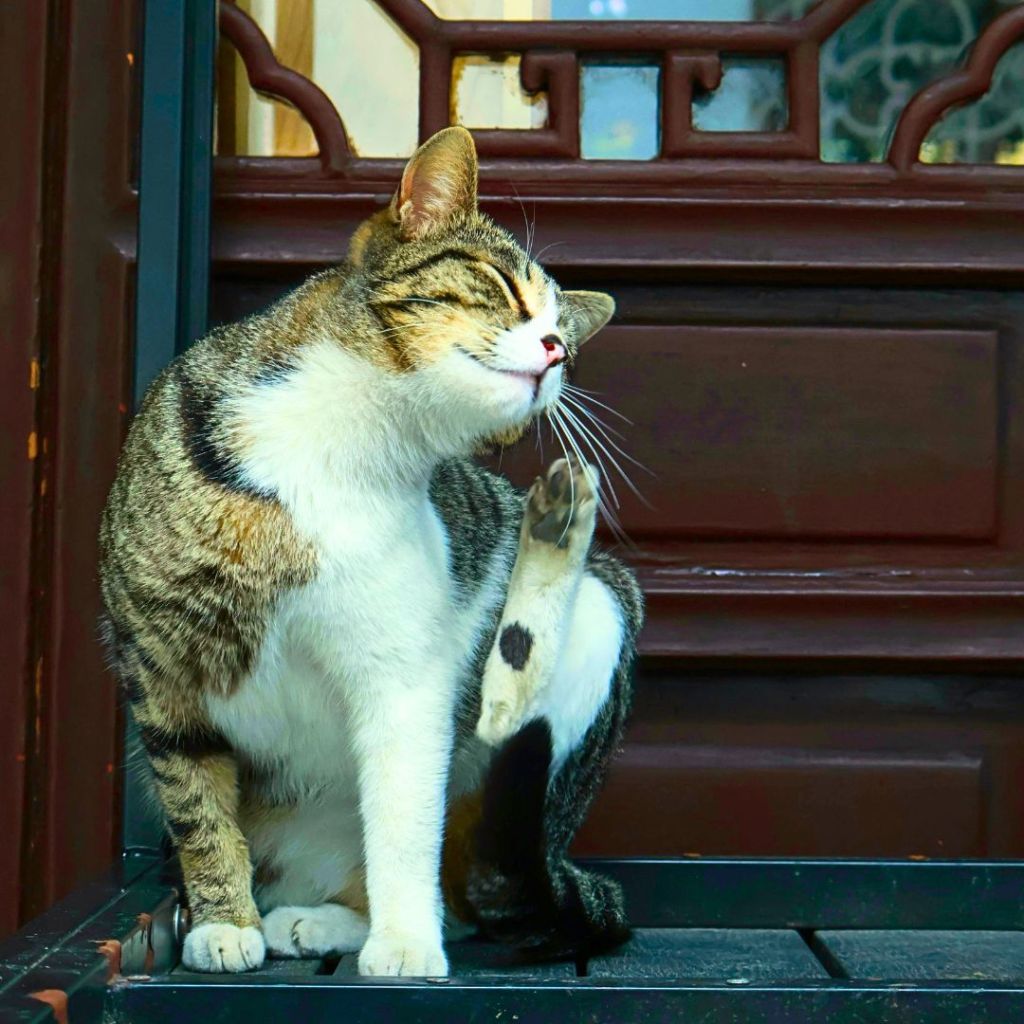
  • The Relentless Scratch: Excessive scratching, especially around the paws, ears, face, and belly, is a major red flag.
  • The Licky-Loo: Obsessive licking, often leading to bald patches or irritated skin.
  • The Waterworks: Watery, red, or irritated eyes that might make your pet look perpetually sad (even if they’re just annoyed by pollen!).
  • The Sneezing Symphony: Frequent sneezing or a persistent cough that isn’t related to illness.
  • The Ear Agony: Repeated ear infections, often characterized by head shaking and pawing at the ears.
  • The Skin Saga: Redness, inflammation, rashes, or the dreaded “hot spots” – those raw, painful patches of skin.
  • The Hair Today, Gone Tomorrow: Noticeable hair loss due to relentless scratching, licking, or chewing.

Your Home: An Allergy-Free Haven for Your Furry Friend

Creating a sanctuary indoors can significantly reduce your pet’s exposure to airborne allergens:

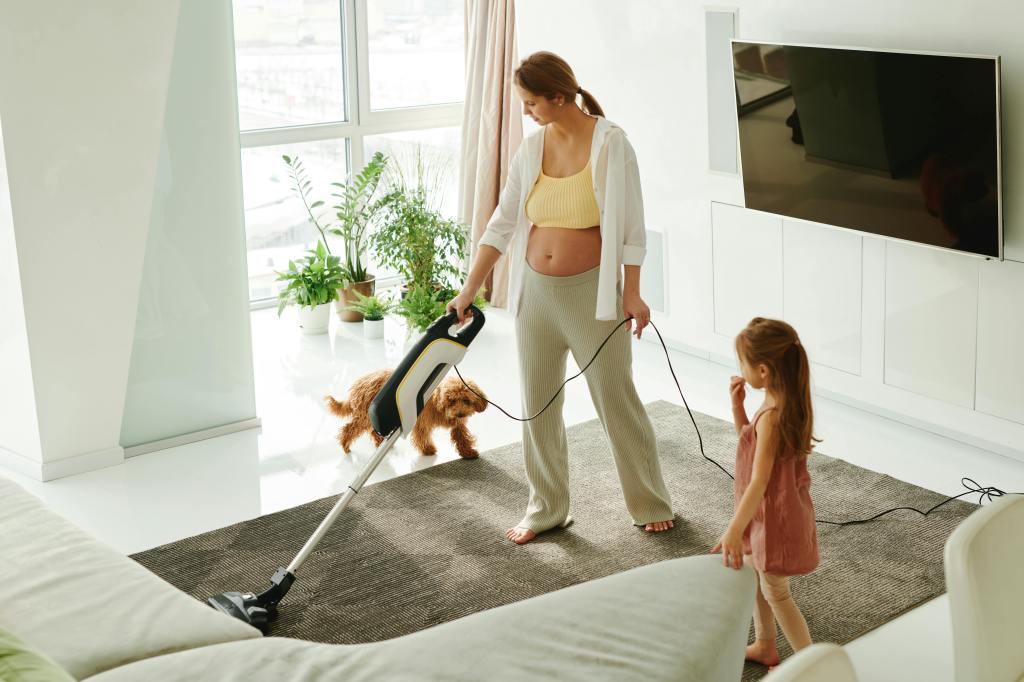
  1. Become a Vacuuming Virtuoso: Regular vacuuming, at least a few times a week, is crucial for sucking up pollen, dust mites, and other indoor irritants lurking in carpets, rugs, and upholstery. Consider a vacuum with a HEPA filter for extra allergen-trapping power.
  2. Bedding Bliss: Just like us, our pets spend a lot of time snoozing. Wash their bedding in hot water at least weekly to eliminate accumulated allergens.
  3. Air Purification Power: Invest in a high-quality air purifier with a HEPA filter. These devices work wonders in removing airborne allergens from your home’s environment.
  4. Seal the Deal: On high-pollen count days (you can often check local weather reports for pollen forecasts), keep windows and doors closed. Opt for air conditioning to keep the air circulating and filtered.

Post-Adventure Protocol: Wiping Away the Wild

After your pet’s outdoor escapades, a little post-walk routine can make a big difference:

  1. Paw Patrol in Action: Use pet-safe wipes or a damp cloth to thoroughly clean your pet’s paws, legs, and belly. This helps remove pollen and other allergens they may have picked up on their adventures.
  2. Bath Time Bliss (Sometimes!): Regular baths with a hypoallergenic or oatmeal-based shampoo can effectively wash away allergens clinging to their coat. Be careful not to over-bathe, as this can dry out their skin. Consult your vet for the ideal bathing frequency for your pet.

Nourishing from Within: Diet and Supplements for Allergy Support

A healthy inside can help your pet better cope with external allergens:

  1. Omega-3 Oasis: Consider adding omega-3 fatty acid supplements (like fish oil) to your pet’s diet. These essential fats are known for their anti-inflammatory properties and can support healthy skin, acting as a barrier against allergens.
  2. Fueling the Immune System: A high-quality, balanced diet rich in essential nutrients is fundamental for a strong immune system, which can help your pet better manage allergic responses.
  3. Vet-Approved Allies: Talk to your veterinarian about whether antihistamines or other supplements might be beneficial for your pet’s specific allergy symptoms. Never give your pet human medications without explicit veterinary guidance.

Smart Outdoor Strategies: Navigating the Pollen Patch

Being mindful of your pet’s outdoor activities can minimize their allergen exposure:

  1. Timing is Key: Opt for walks during times when pollen levels are typically lower, such as early morning or late evening.
  2. Steer Clear of Trouble Zones: Try to avoid grassy fields, heavily blooming areas, and freshly cut lawns, which can be hotspots for pollen.
  3. Protective Paw-Wear: If your pet tolerates them, consider using pet-safe booties during walks to create a barrier between their paws and allergens.

When to Call in the Professionals: Recognizing When Home Care Isn’t Enough. Schedule an appointment with your vet if your pet experiences:

  • Persistent or worsening allergy symptoms despite your home care efforts.
  • Signs of secondary infections, such as ear infections (pain, discharge, odor), open sores, or significant skin inflammation.
  • Difficulty breathing or any other signs of respiratory distress.

Your veterinarian can perform allergy testing to pinpoint specific triggers and recommend the most effective treatment plan, which may include prescription medications, allergy immunotherapy (allergy shots or drops), or other specialized therapies.

Embracing a Comfortable Spring Together

Spring allergies in pets can be a bit of a rollercoaster, but by understanding the triggers, implementing these practical tips, and working closely with your veterinarian, you can significantly improve your furry friend’s comfort and well-being during this beautiful season. Let’s focus on unleashing the joy of spring for our pets, not the relentless itch!

Has your pet ever battled seasonal allergies? What tips and tricks have you found most helpful in keeping them comfortable? Share your experiences and wisdom in the comments below!

The Ultimate Guide to Dental Health & Hygiene for Pets

When it comes to pet care, many owners focus on nutrition, exercise, and grooming, but one crucial aspect often gets overlooked—dental health. Just like humans, pets require regular dental care to prevent bad breath, gum disease, and other serious health issues. In this guide, we’ll cover why pet dental hygiene matters, common problems, and how you can maintain your furry friend’s oral health.

Dental disease is one of the most common health issues in dogs and cats. According to the American Veterinary Medical Association (AVMA), by the age of three, most pets show signs of periodontal disease (AVMA). Poor oral health can lead to pain, infections, and even affect vital organs like the heart and kidneys.

Be aware of these common signs of dental disease:

  • Persistent bad breath (often an early indicator)
  • Tartar buildup on teeth (yellow or brown)
  • Red, swollen, or bleeding gums
  • Difficulty eating or food avoidance
  • Excessive drooling
  • Pawing at the mouth

If your pet exhibits any of these symptoms, schedule a vet visit as soon as possible.

1. Regular Tooth Brushing

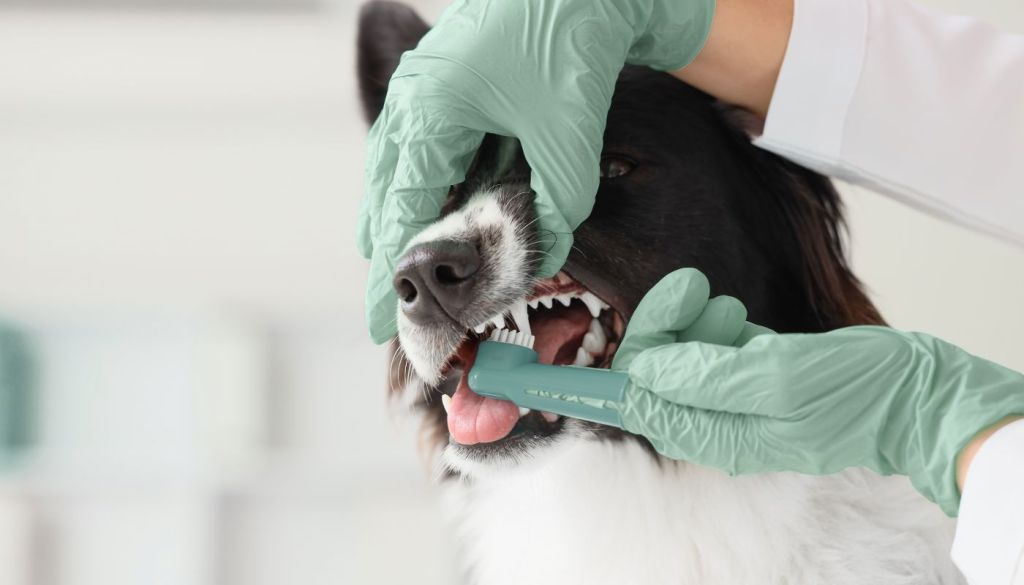
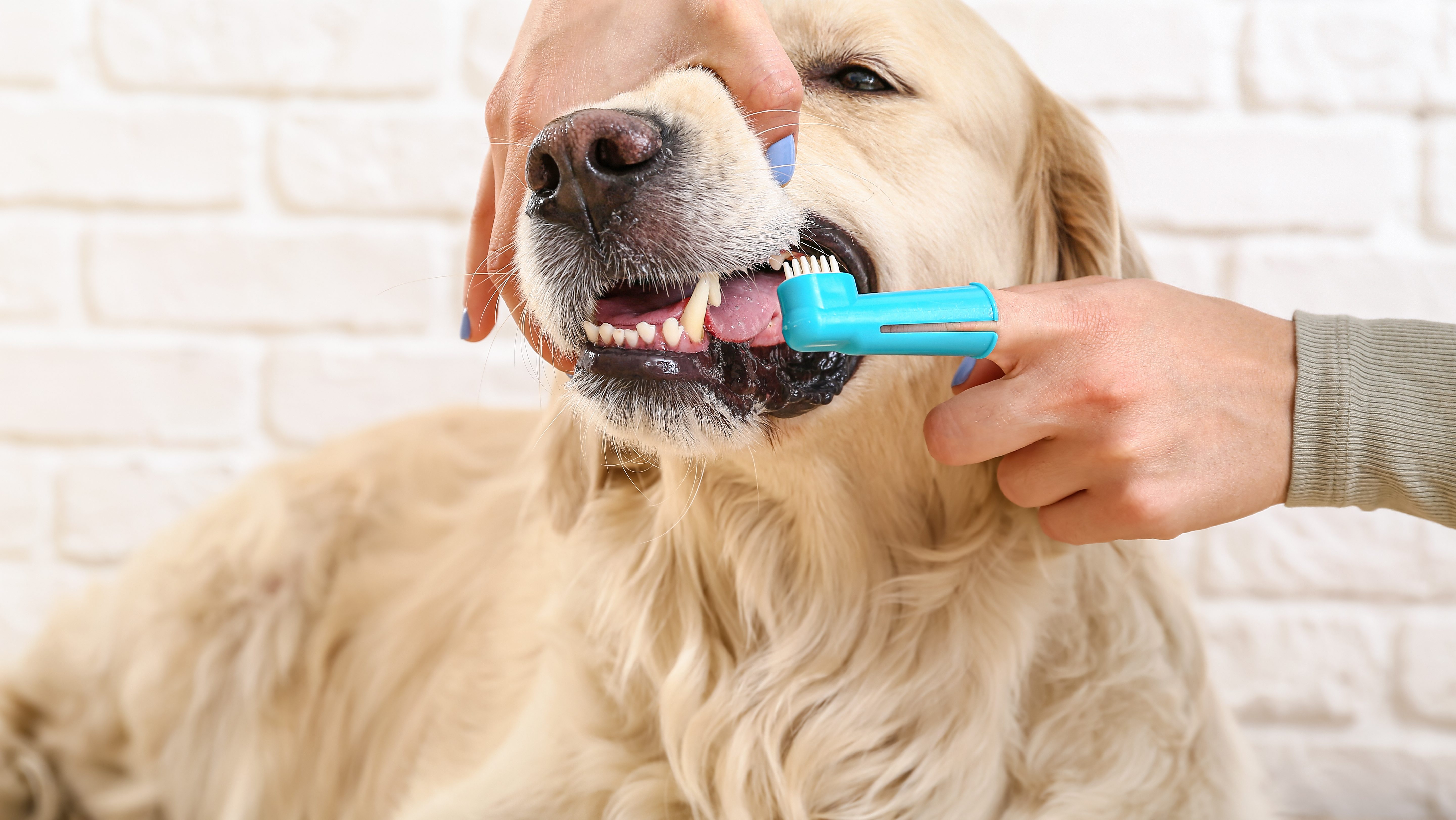
Brushing your pet’s teeth is the most effective way to prevent plaque and tartar buildup. Use a pet-friendly toothbrush and toothpaste (never human toothpaste, as it contains toxic ingredients like xylitol). Start slow and make it a positive experience with treats and praise. Aim for brushing at least 3 times a week.

2. Dental Chews & Toys

Chewing helps remove plaque naturally. Look for VOHC-approved dental chews (Veterinary Oral Health Council) that promote oral hygiene. Toys designed for dental health can also massage gums and reduce tartar.

3. Professional Dental Cleanings

Even with regular brushing, professional cleanings by a vet are necessary. These cleanings involve scaling below the gumline, where bacteria thrive. Most vets recommend annual cleanings, though some pets may need them more frequently.

4. Dental Diets & Treats

Some pet foods are formulated to reduce plaque buildup. Look for brands with larger kibble designed to clean teeth while chewing. You can also incorporate dental treats into your pet’s diet for extra oral care support.

5. Water Additives & Oral Rinses

Water additives are an easy way to maintain oral health between brushings. They help reduce plaque and freshen breath. Oral rinses designed for pets can also help control bacteria in the mouth.

Preventing dental disease is easier than treating it. Start dental care early, whether you have a puppy, kitten, or an older pet. Make oral hygiene part of your pet’s routine to ensure a happy, healthy life.

For more pet care tips and recommendations, explore our website or contact your veterinarian for personalized advice!

Sources:

  • American Veterinary Medical Association (AVMA)
  • Veterinary Oral Health Council (VOHC)

How to Be a Community-Minded Pet Parent

One thing you and I probably share is a deep love for animals. We’ll always have that common ground to chat about. But what about people with whom you don’t have that immediate connection? Not only do we regularly bump into dog and cat people who treat animals differently than we do, but some people aren’t all that keen on having animals around them at all! (I know.. WHAT? .. bare with me… )

People Find Joy in Different Ways

For many folks, furry friends are like family. They’re the first ones we greet in the morning and the last ones we say goodnight to. Taking care of them can be a big responsibility, but totally worth it. It’s hard to imagine our homes without them, which can make it a bit mind-boggling that some people choose not to have pets at all!

But people pull joy from lots of different things or beings. Travel, art, their children, spouse, human friendship, rare and beautiful belongings, music, the intricacies of a racing car engine, the thrill of skydiving – you replace these with things you know people love that you don’t connect with.

Why Do Some People Choose Not to Share Their Home with a Pet?

There are lots of reasons people in your community choose to live pet-free, and it often doesn’t have anything to do with actually disliking animals. Here are some reasons:

  • Lifestyle Restrictions: Some people would love a pet, but their income, landlord, health, or travel for work doesn’t permit it.
  • Past Experiences: Traumatic experiences with animals can lead to fear or avoidance of some types of pets.
  • Phobias: Some people have phobias or anxieties about certain species.
  • Cleanliness Preferences: For some, the extra mess a pet can bring isn’t for them.
  • Lack of Experience: People who didn’t grow up with pets might not know how to handle them.
  • Allergies: This is for real and some people just can’t be healthy when living with pets.

Ways to Be More Inclusive in a Pet-Diverse Community

While we like to say we’re a pet-loving society, we share our space with people who have different priorities. The US has pet ownership rates around 57-66%, which means there are many pet-free homes! Here are ways to be a kind neighbor to everyone:

  • Leash Lessons: Leash training is crucial for community living. Keep your dog under control to avoid startling passersby.
    • Also, wheeling a pet in a stroller requires responsibility too. Secure your pet and be mindful of others.
  • Poop Patrol: Scooping after your pet is essential. No one enjoys stepping in waste.
  • Distraction Techniques: Train your dog to respond to you when they bark at triggers, instead of letting them become a nuisance.
  • Offer Fur-Free Seating: Consider keeping a throw on hand to offer guests a fur-free seat.
  • Be Aware of Zoomies: A sudden burst of energy from your pet can be startling to others. Give a heads-up to companions if your pet is prone to zoomies.
  • Self-awareness: Be honest about your dog’s behavior. If your dog pulls on the leash or barks excessively, consider training classes.
  • Cafe Manners: Respect restaurants that allow pets. Train your dog to be calm before bringing them to patios or cafes. Not everyone wants a furry friend in their lap.
  • Respect Boundaries: Don’t assume everyone loves your pet. If your pet visits neighbors uninvited, take steps to keep them on your property/or personal space.

Be a Community-Inclusive Pet Parent

Deep down, we all secretly believe our pets are the cutest, cuddliest creatures on the planet, right? And maybe, just maybe, everyone should want to shower them with affection and let them sprawl out on the furniture like royalty. (Hey, a pet parent can dream!) But in all seriousness, being a truly pawsome pet parent means recognizing that not everyone shares our animal adoration.

Let’s spread love and courtesies to our pet-free neighbors too!

Creative Holiday Card Ideas with Your Pets

The holiday season is just around the corner, and what better way to spread festive cheer than with a holiday card featuring your furry friend? Whether you have a playful pup, a curious cat, or a more exotic pet, there are countless creative ways to make your holiday card truly memorable. To help you get started, I’ve rounded up some delightful pet photo ideas that are sure to make your holiday cards the talk of the town!

1. Cozy Fireplace Scene

Set up a warm, inviting scene near your fireplace or wood stove. Lay down a festive blanket and arrange holiday props like stockings and wrapped presents. Snuggle up with your pet, donning matching holiday sweaters or scarves for an extra cozy touch. This setup works especially well for pets who love being close to their favorite humans.


2. Festive Bandanas at Home or on a Snowy Walk

Sometimes, less is more. Dress your pet in a simple holiday bandana and let their personality shine. Capture their playful expressions or a cute head tilt as they show off their festive look. Bonus points if you can snap a photo during a scenic walk in a winter wonderland!


3. Snowy Adventure

If you’re lucky enough to have snow, take advantage of the natural beauty outside. Dress your pet in a cozy jacket or sweater and capture them playing in the snow, chasing snowflakes, or posing next to a snowman. The candid joy of your pet enjoying the season will warm hearts.


4. Holiday Pajama Party

Bring out the matching holiday pajamas for the entire family – pets included! Set up a cozy scene with pillows, blankets, and maybe even a cup of (pet-safe) holiday cheer. Snuggle up and let the camera capture the love and laughter of the season.


5. Merry and Bright with Lights

Twinkling lights add a magical touch to any photo. Decorate a pet-safe area with string lights and dim the room for a dreamy effect. Supervise closely to ensure your pet doesn’t chew or tangle themselves in the lights. Experiment with your camera settings to capture the perfect glow.


6. Classic Holiday Props

Unleash your creativity with classic holiday props like unbreakable ornaments, pinecones, and faux snow. Arrange them around your pet and let their natural curiosity lead to whimsical moments. A paw batting at an ornament or a nose sniffing a pinecone makes for adorable, candid photos.


7. Photos with Santa

Check your local humane society, winery, or pet store for “Photos with Santa” events. These fundraisers are a great way to support a good cause while getting a professional photo of your pet with Santa. You might even find a session that includes you and your pet for a festive family portrait!


Tips for a Successful Pet Photo Session

Patience is key: Pets can be unpredictable, so take your time and be ready to capture spontaneous moments.

Treats and toys: Use their favorite snacks and toys to grab their attention and reward good behavior.

Lighting matters: Natural light works wonders, so try to shoot near a window or outdoors.

Keep it fun: A happy pet makes for the best photos, so focus on creating an enjoyable experience.


Wrap Up the Holiday Spirit

Ready to capture some paw-sitively adorable holiday moments? 📸 With these creative pet photo ideas, your holiday card is sure to bring smiles to everyone’s faces!

Whether you’re dreaming of a white Christmas or cozying up by the fireplace, these furry friends know how to steal the show.

Now, it’s your turn to share the spotlight! Have you snapped any hilarious or heartwarming pet pics this holiday season? Drop a comment below and let’s celebrate together!

Happy Holidays

7 Bucket List Activities to Share with Your Aging Pet

It’s no secret that I have a soft spot for senior pets. Their gentle nature, those grey nuzzles, and the way they lean in for endless cuddles—it gets me every time. Whether your aging pet is still full of energy or taking it a bit slower these days, this chapter of life is all about celebrating your time together and creating memories you’ll cherish forever.

A bucket list can be a fantastic way to enrich your lives together. But here’s the key: the activities you choose should enhance both your and your pet’s quality of life. No need for skydiving or mountain climbing—let’s keep it simple, meaningful, and memorable.

What to Keep in Mind When Planning Your Bucket List

Before you dive in, consider a few things to make sure your activities are safe and enjoyable for your aging pet:

  • Mobility: Let’s be real—your aging pet might not be as spry as they once were. They may have slowed down due to hip or joint issues or past surgeries. Respect their abilities and plan activities that match their comfort level.
  • Overall Health: Think about your pet’s overall health picture. If you’ve been to the vet recently, you probably have a good sense of what activities are safe. Avoid anything that might strain existing conditions like hip dysplasia or allergies.
  • Good Days vs. Bad Days: Just like us, pets have their ups and downs. Flexibility is key—if your pet isn’t feeling up to it, it’s okay to switch up plans or skip a day. It’s all about their comfort.

With these in mind, let’s explore some fun, heartwarming bucket list ideas that’ll create special moments you’ll never forget.

1. Capture the Moments with a Professional Photo Session

A professional pet photography session can be a wonderful experience. Not only will it give you a chance to make your pet feel like a star, but you’ll also walk away with beautiful photos to cherish long after they’ve crossed the rainbow bridge. Displaying those moments at home will remind you of all the great times you shared.

2. Treat Them to a Gourmet Feast

Why not spoil your pet with a special meal? It could be a small treat like gourmet dog biscuits or a full-blown feast—think about that time Gizelle, the graceful mastiff, traveled to Maine for fresh lobster and donuts! Just be sure to consult your vet before feeding your pet anything new. A paw-licking meal can be a delicious way to create a lasting memory together.

3. Enjoy a Weekend Getaway at a Pet-Friendly Hotel or Airbnb

Escape the routine with a relaxing weekend at a pet-friendly hotel or Airbnb. You and your furry friend can enjoy a change of scenery, from lounging on a sunny veranda to sharing quiet moments in a cozy room. Look for local pet-friendly spots or explore a new town together—it’s a great way to bond and explore!

4. Let Them Be the Boss for a Day

What would happen if your pet called the shots for a day? Give them the reins and see where the day takes you. Maybe they’ll want to stop and sniff every flower during a walk, or perhaps they’ll head straight for the treat aisle at the pet store. It’s all about letting them do what makes them happiest—no rules, just fun!

5. Cuddle Fest in the Living Room

Set up a cozy space in the living room with blankets, pillows, or even a mattress, and have an all-day cuddle fest. Stream your favorite movies, give them belly rubs, or just enjoy the sound of their purrs or snores. It’s a simple way to show them how much you care while keeping things nice and relaxed.

6. Throw a Pet Party

If your pet is up for it, invite some of their human and furry friends over for a party. Create a fun theme, bake some pet-safe treats, and decorate with their favorite colors. A photo booth with props can capture all the fun moments, and a playlist of your pet’s favorite tunes (or just some calming background music) will make it a day to remember.

7. Watch the Sunrise or Sunset Together

Take a quiet moment to appreciate the beauty of nature together. Whether it’s a sunrise at the beach or a sunset from your backyard, it’s a perfect way to unwind with your pet. These peaceful moments can become a special ritual—one that allows you both to enjoy just being there with each other.

Make the Most of Every Moment

Creating a bucket list with your aging pet is all about making their golden years as joyful as possible. Let them guide you on what they’re up for, and remember, it’s the small, simple moments that often matter the most. What would you add to this list? I’d love to hear about the special things you and your pet have planned!

Get Your Guts in Order: Why Gut Health is Crucial for Your Pet

As a pet parent, you probably spend a lot of time ensuring your dog or cat has everything they need—healthy food, plenty of exercise, and lots of love. But have you ever stopped to think about their gut health? Not just what their poop looks like, but how a healthy gut affects their overall well-being.

Just like us, our pets have a complex gut microbiome that plays a crucial role in their overall health. Let’s chat about why gut health is essential for your pet, how to recognize signs of an unhealthy gut, and what you can do to support a healthy gut microbiome.

Why Your Pet’s Gut Health Matters

You’ve probably heard about the importance of gut health for humans. Personally, when I turned 30, I realized how much better I felt when I cut back on certain foods and focused more on a balanced diet. It made me think about my dog, too, and how their diet impacts their well-being. The media bombards us with info about prebiotics, probiotics, and what’s supposedly good or bad for our gut. We know that a healthy gut helps with digestion, boosts the immune system, and even affects our mood.

The same is true for our pets! Their gut microbiome—a community of trillions of microorganisms including bacteria, viruses, and even fungi—is essential for their well-being. When things are in balance, your pet’s gut keeps their digestion and overall health on an even keel, giving them the boost to be bright and bouncy.

The Benefits of a Healthy Gut for Pets

Here’s the good stuff our gut does for us and our pets!

  1. Digestion and Nutrient Absorption
    Just as we rely on our gut bacteria to help break down food and absorb nutrients, our pets need a healthy gut, too. Good bacteria produce enzymes that aid in the digestion of complex carbohydrates, proteins, and fats, ensuring your pet gets the most nutrition from their food.
  2. Immune System Support
    Did you know that about 70% of the immune system is located in the gut? That’s a huge impact! This is true for pets as well. A balanced gut microbiome helps fend off harmful pathogens. Pets with a healthy gut are more resilient in fighting infections and staying healthy.
  3. Mental and Emotional Health
    The gut-brain axis is an amazing concept, showing how our gut health can impact our mood and mental health. The gut microbiome produces neurotransmitters like serotonin, which can influence mood and behavior. An imbalanced gut can lead to anxiety, depression, and other behavioral problems in both pets and people. This applies to pets, too!

Signs of an Unhealthy Gut in Pets

Your dog or cat can’t tell you they’re feeling out of sorts, so you’re probably wondering how to tell if their gut health is off balance. Signs of gut problems are often similar to other health issues, so if you notice any of these, a vet visit is in order. Here are some signs to watch out for:

  • Digestive issues: Persistent diarrhea, constipation, bloating, or gas.
  • Changes in appetite: Sudden loss of appetite or increased hunger.
  • Weight fluctuations: Unexplained weight loss or gain.
  • Skin and coat problems: Dull coat, excessive shedding, dry or flaky skin.
  • Behavioral changes: Increased anxiety, depression, or lethargy.
  • Frequent infections: Recurrent ear infections, urinary tract infections, or other illnesses.

Supporting Your Pet’s Gut Health

How can you help ensure your pet’s gut stays healthy, boosting their ability to stay happy and reducing the likelihood of discomfort? Here are some tips:

  1. Balanced Diet
    Just as we benefit from a balanced diet, so do our pets. Opt for high-quality pet food that includes a mix of proteins, healthy fats, fibers, and essential vitamins and minerals. Avoid foods with excessive fillers, artificial additives, and preservatives. This goes for treats, too—look for simple ingredient lists, especially if you use a lot of treats for training.
  2. Probiotics and Prebiotics
    Probiotics are live beneficial bacteria that help restore balance in the gut microbiome. They come in supplement form or can be found in certain foods like yogurt (though be cautious with dairy for pets). Prebiotics, which are fibers that feed those beneficial bacteria, are important too. Probiotic and prebiotic supplements can be pricey, so check in with your veterinarian for a recommendation before investing.
  3. Avoid Overuse of Antibiotics
    While antibiotics are sometimes necessary to treat infections, their misuse can disrupt the gut microbiome by wiping out beneficial bacteria that keep everything in balance. Use antibiotics only when prescribed by a veterinarian, and always follow the prescribed dosage and duration.
  4. Regular Exercise
    Just as exercise is crucial for our overall health, it’s also important for our pets. Daily walks or play sessions are as beneficial for us as they are for our dogs. Regular physical activity supports digestion, helps keep extra weight off, and reduces stress. Plus, it’s a great bonding time!
  5. Stress Management
    We know stress can negatively impact our gut health, and it’s no different for pets. Providing a stable and safe environment for your pet, and engaging in activities that reduce stress, like regular playtime and socialization, can be key to their gut health. Consider using a pet camera to monitor how they react when you’re away. If they seem anxious, you may want to adjust their routine.
  6. Routine Veterinary Check-Ups
    Regular visits to the veterinarian can help catch any health issues early on, including gut-related problems. Bring a fresh stool sample for testing, and discuss your pet’s diet, behavior, and any questions you have about their gut health with your vet.

Get Your Guts in Order!

Gut health is a cornerstone of overall well-being for both us and our pets, but it’s easy to nudge it out of balance. Luckily, it’s also not-so-hard to nourish a stable gut environment with good nutrition (watch out for random snacks and unhealthy treats), some fun daily exercise, and stress reduction. All of these go hand in paw and are good for both you and your pet!

How to Care for a Blind Dog: Essential Tips for a Happy, Safe, and Fulfilling Life

Having a blind dog can initially seem overwhelming, but it’s amazing how well dogs can adapt to life without sight. Whether your dog has recently lost their vision or you’re thinking about adopting a blind dog, there are plenty of ways to help them thrive.

A Dog’s World is Built on Scent and Sound

Dogs rely far more on their sense of smell and hearing than on their vision. With up to 300 million scent receptors, their ability to detect smells is truly extraordinary—much more developed than ours. Their hearing is also incredibly sharp, picking up sounds at frequencies beyond our range.

For a dog, the world is a rich tapestry of scents and sounds. They use these senses to navigate their surroundings and stay connected with what’s happening around them.

Creating a Safe and Loving Home for Your Blind Dog

Here are some tips to create a safe and comfortable environment for your blind dog:

  • Establish a Safe Haven: Set up a quiet and cozy spot where your dog can retreat to when they need to feel secure.
  • Communicate with Kindness: Regularly talk to your dog to let them know you’re near. Your voice can be a great source of comfort.
  • Maintain Consistency: Keep furniture, food, and water bowls in the same places so your dog can easily find their way around.
  • Remove Hazards: Check your home for any sharp objects or clutter that could pose a risk. Baby gates can be useful for blocking off stairs.
  • Leash for Guidance: Using a leash both indoors and outdoors can help guide your dog and prevent accidents. Teach commands like “step up,” “step down,” “left,” “right,” and “stop” to assist with navigation.
  • Utilize Textured Surfaces: Different floor textures can help your dog orient themselves within your home.
  • Gradual Outdoor Exploration: Start with short leash walks and allow your dog time to adjust to new surroundings.
  • Give Yourself Time: It’s important to remember that adjusting to your dog’s blindness is a process for both of you. Be patient with yourself and your dog.
  • Embrace a Deeper Bond: Many people find that their relationship with their dog deepens after the dog loses their vision.

With a little patience and a lot of love, your blind dog can live a happy, fulfilling life.

Barkletics: Workout Tips to Keep Your Canine Companion in Top Shape

It’s time to get physical! Just like how I’m passionate about my own fitness journey, I believe exercise is just as crucial for our furry friends. As someone who loves to work out and stay fit, I understand the importance of keeping our dogs active and healthy.

The Pet Health Network points out that obesity can lead to future health issues like arthritis, heart and breathing issues, and can even take two years off your dog’s life!

I love immersing myself in discussions with other pet professionals and devouring articles from experts about pet health. Being a fitness enthusiast myself, I’m always eager to share fitness tips that have come my way. And of course, always consulting with your veterinarian is key when starting a fitness program for your pet.

Watch out for these fitness myths:

Exercise is not just beneficial for us but for our dogs too! It can help them look and feel better, and even reduce nervousness when left alone, according to fitness experts at Texas A&M. There are some myths out there about weight gain or lack of mobility that can cause pet parents to ignore signs that their dog is less fit. Here are just a few.

1 – My dog is just getting old. Aging is natural but that doesn’t mean limping or mobility challenges are normal. My senior dog, Zak, defied aging stereotypes with our vet’s guidance.

2 – Fitness and exercise are for injured/athletic/overweight dogs. Even young or fit-acting dogs can benefit from an exercise plan. My friends energetic pup, Lexi, is a testament to that.

3 – It’s normal for senior dogs to put on a little weight. Maintaining your dog’s weight is crucial as they age. Another friend’s dog, Lou, faced overweight issues but is now thriving with proper nutrition and exercise.

Fitness and exercise go far beyond weight loss. It’s a way to help your Fido improve their cardiovascular health and develop strength.

One point that’s definitely not a myth: If you have concerns about your dog’s weight or reduction in mobility, a visit to your veterinarian for a health checkup is your first fitness step!

Work at your dog’s pace. Moderation is key. When working on fitness with your dog, pick activities that match their level of fitness, and allow them to choose when they’ve had enough for that session. They will slowly improve over time.

Too much exercise can also cause problems, like sore muscles, wear-and-tear on paw pads, joint issues, heat sickness, and your dog could begin to dread rather than enjoy their play sessions with you.

5 Fantastic Exercises for Canine Fitness:

1 – Up and down stairs. This exercise is great for building endurance. If you don’t have stairs at home, look around your neighborhood for safe outdoor options.

2 – Sit to stand. This task is excellent for strengthening your dog’s back legs and hips.

3 – Down to stand. Similar to a human burpee, this exercise is a full-body workout for Fido.

4 – Hide and seek. Hiding around the house is a fun game with fitness benefits for your dog.

5 – Stand on their cushy bed. “Any time you can get your dog on uneven surfaces, you’re making them move and exercise in a new way,” says Brittni Heywood, certified dog trainer and owner of Potential Unleashed.

When you’re looking for ways to improve your pet’s health, always double-check advice you find online with your veterinarian or trusted sources. You can find even more exercise tips on the Pet Health Network or AKC’s expert articles.

Got a great dog exercise or fitness tip? Drop it in the comments below 🙂

7 Simple Winter Creature Comforts for You and Your Pet

As the cold winds and early nights of winter settle in, there’s something truly magical about creating a cozy haven for yourself and your furry friends. This season invites us to slow down, connect, and embrace the simple joys of warmth and togetherness. Whether you’re planning activities to share with your dog, cat, or other beloved pet, these ideas are sure to spark inspiration and make your winter extra special.

Here are 7 Favorite Creature Comforts for Winter that you can incorporate into your winter routine!

1. Indulge in a Movie Marathon – Transform a chilly winter evening into a cinematic retreat. Dive into your favorite movie series—whether it’s the magic of Harry Potter, the epic saga of Star Wars, or the cozy nostalgia of a classic Disney film. Snuggle up with your pet and create a cozy movie marathon complete with popcorn for you and pet-friendly treats for your companion.

2. Visit a Pet-Friendly Brewery or Coffee House – Escape the winter blues by spending time at a pet-friendly pub, brewery, or coffee shop. Many of these venues welcome pets, offering cozy corners for you to enjoy a warm drink or craft brew while your pup relaxes by your side. It’s a great way to socialize and break up the winter monotony.

3. Bake Cookies Together – Warm up your home with the scent of freshly baked cookies. Share the experience with your pet by preparing a batch of treats for yourself and another for them. Homemade pet treat recipes are easy to find online and are a wonderful way to make your furry friend feel extra special.

4. Bundle Up for Scenic Winter Walks – Winter is a beautiful time to explore the outdoors. Bundle up and take your pet on an adventure through snow-dusted trails or frosted parks. The crisp air and serene landscapes offer a perfect backdrop for both exercise and bonding.

5. Declutter and Refresh Your Space – Embrace winter as a season of renewal. Dedicate some time to decluttering and refreshing your living spaces, including your pet’s area. Replace worn-out toys, organize supplies, and make room for new, cozy additions that will enhance your winter routine.

6. Plan a Winter Photo Shoot – If you didn’t already do this for your the holidays, capture the beauty of winter with a seasonal photo session featuring your pet. Whether it’s a snowy outdoor setting or a warm indoor arrangement with blankets and fairy lights, these moments will become cherished memories you can look back on for years to come.

7. Explore a Local Winter Market – Winter markets are filled with seasonal delights. Many markets are pet-friendly, allowing you to bring your pups along as you browse stalls of handmade crafts, festive treats, and unique finds. The atmosphere and cozy vibes make it an outing to remember.

Create Lasting Memories This Winter

This season is all about embracing warmth, savoring the coziness, and celebrating the bond between you and your pet. Tailor these activities to your preferences, and let the simple joys of winter inspire unforgettable moments.