

Ah, springtime! The air is alive with the sweet scent of blossoms, birds are serenading us, and our furry pets are practically bouncing with renewed energy. But for some of our pets, this season of renewal can bring a less welcome guest: Spring Allergies! If you’ve noticed your dog or cat morphing into a tiny, itchy tornado, constantly scratching, sneezing like they’re practicing for a tiny symphony, or sporting perpetually watery eyes, you’re not alone. Just like us humans, our four-legged friends can be susceptible to the seasonal onslaught of pollen, mold, dust, and those oh-so-green grasses.
While a trip to your trusted veterinarian is always the gold standard for diagnosis and treatment, there are plenty of proactive and comforting steps you can take at home to help your pal navigate the itchy season. Let’s dive into how you can become your pet’s personal allergy superhero!
Decoding the Itch: Common Culprits and Clues
Understanding what triggers your pet’s discomfort is the first step. Here are some common signs that spring allergies might be the culprit:
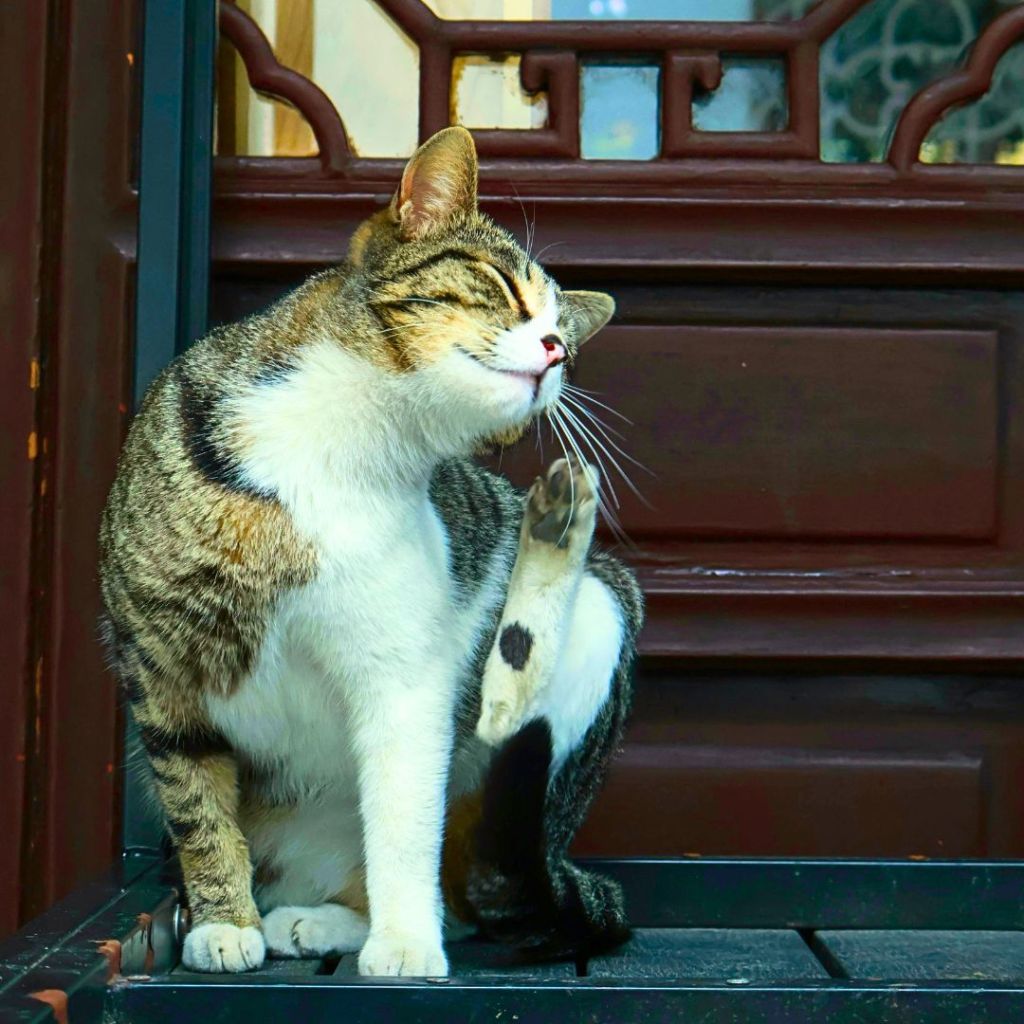
- The Relentless Scratch: Excessive scratching, especially around the paws, ears, face, and belly, is a major red flag.
- The Licky-Loo: Obsessive licking, often leading to bald patches or irritated skin.
- The Waterworks: Watery, red, or irritated eyes that might make your pet look perpetually sad (even if they’re just annoyed by pollen!).
- The Sneezing Symphony: Frequent sneezing or a persistent cough that isn’t related to illness.
- The Ear Agony: Repeated ear infections, often characterized by head shaking and pawing at the ears.
- The Skin Saga: Redness, inflammation, rashes, or the dreaded “hot spots” – those raw, painful patches of skin.
- The Hair Today, Gone Tomorrow: Noticeable hair loss due to relentless scratching, licking, or chewing.
Your Home: An Allergy-Free Haven for Your Furry Friend
Creating a sanctuary indoors can significantly reduce your pet’s exposure to airborne allergens:
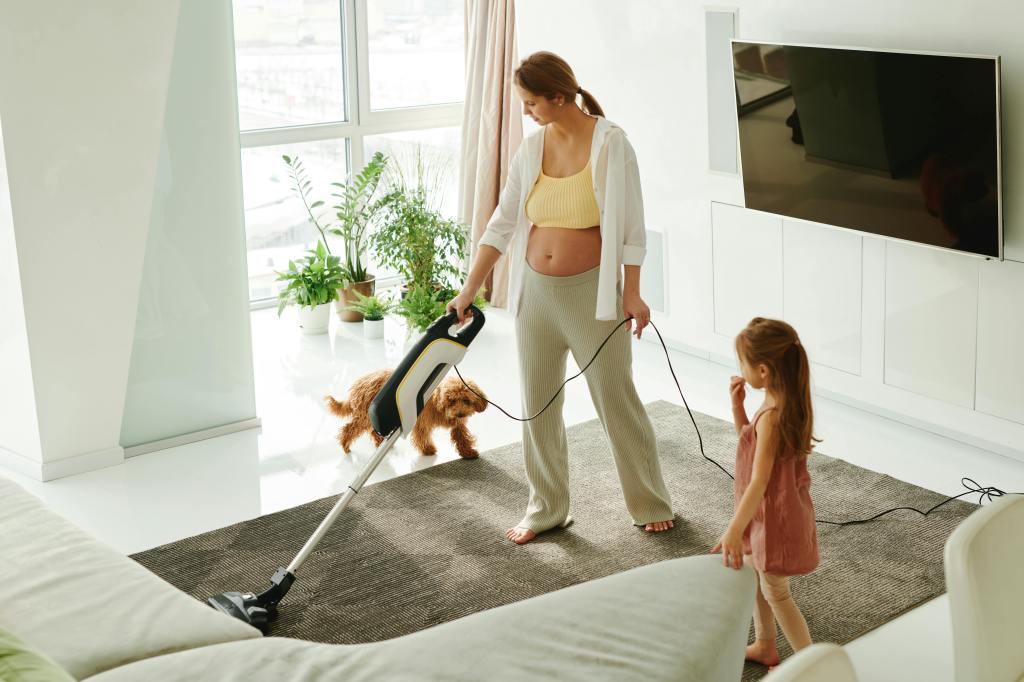
- Become a Vacuuming Virtuoso: Regular vacuuming, at least a few times a week, is crucial for sucking up pollen, dust mites, and other indoor irritants lurking in carpets, rugs, and upholstery. Consider a vacuum with a HEPA filter for extra allergen-trapping power.
- Bedding Bliss: Just like us, our pets spend a lot of time snoozing. Wash their bedding in hot water at least weekly to eliminate accumulated allergens.
- Air Purification Power: Invest in a high-quality air purifier with a HEPA filter. These devices work wonders in removing airborne allergens from your home’s environment.
- Seal the Deal: On high-pollen count days (you can often check local weather reports for pollen forecasts), keep windows and doors closed. Opt for air conditioning to keep the air circulating and filtered.

Post-Adventure Protocol: Wiping Away the Wild
After your pet’s outdoor escapades, a little post-walk routine can make a big difference:
- Paw Patrol in Action: Use pet-safe wipes or a damp cloth to thoroughly clean your pet’s paws, legs, and belly. This helps remove pollen and other allergens they may have picked up on their adventures.
- Bath Time Bliss (Sometimes!): Regular baths with a hypoallergenic or oatmeal-based shampoo can effectively wash away allergens clinging to their coat. Be careful not to over-bathe, as this can dry out their skin. Consult your vet for the ideal bathing frequency for your pet.
Nourishing from Within: Diet and Supplements for Allergy Support
A healthy inside can help your pet better cope with external allergens:
- Omega-3 Oasis: Consider adding omega-3 fatty acid supplements (like fish oil) to your pet’s diet. These essential fats are known for their anti-inflammatory properties and can support healthy skin, acting as a barrier against allergens.
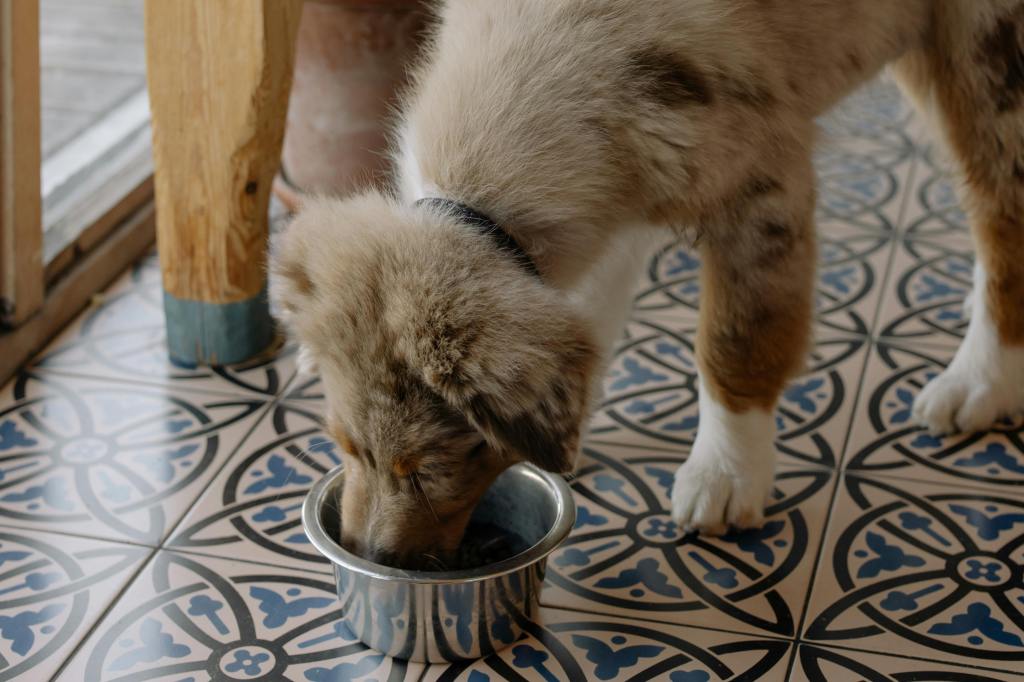
- Fueling the Immune System: A high-quality, balanced diet rich in essential nutrients is fundamental for a strong immune system, which can help your pet better manage allergic responses.
- Vet-Approved Allies: Talk to your veterinarian about whether antihistamines or other supplements might be beneficial for your pet’s specific allergy symptoms. Never give your pet human medications without explicit veterinary guidance.

Smart Outdoor Strategies: Navigating the Pollen Patch
Being mindful of your pet’s outdoor activities can minimize their allergen exposure:
- Timing is Key: Opt for walks during times when pollen levels are typically lower, such as early morning or late evening.
- Steer Clear of Trouble Zones: Try to avoid grassy fields, heavily blooming areas, and freshly cut lawns, which can be hotspots for pollen.
- Protective Paw-Wear: If your pet tolerates them, consider using pet-safe booties during walks to create a barrier between their paws and allergens.
When to Call in the Professionals: Recognizing When Home Care Isn’t Enough. Schedule an appointment with your vet if your pet experiences:
- Persistent or worsening allergy symptoms despite your home care efforts.
- Signs of secondary infections, such as ear infections (pain, discharge, odor), open sores, or significant skin inflammation.
- Difficulty breathing or any other signs of respiratory distress.
Your veterinarian can perform allergy testing to pinpoint specific triggers and recommend the most effective treatment plan, which may include prescription medications, allergy immunotherapy (allergy shots or drops), or other specialized therapies.

Embracing a Comfortable Spring Together
Spring allergies in pets can be a bit of a rollercoaster, but by understanding the triggers, implementing these practical tips, and working closely with your veterinarian, you can significantly improve your furry friend’s comfort and well-being during this beautiful season. Let’s focus on unleashing the joy of spring for our pets, not the relentless itch!
Has your pet ever battled seasonal allergies? What tips and tricks have you found most helpful in keeping them comfortable? Share your experiences and wisdom in the comments below!
 Pawsitive Landing Project