
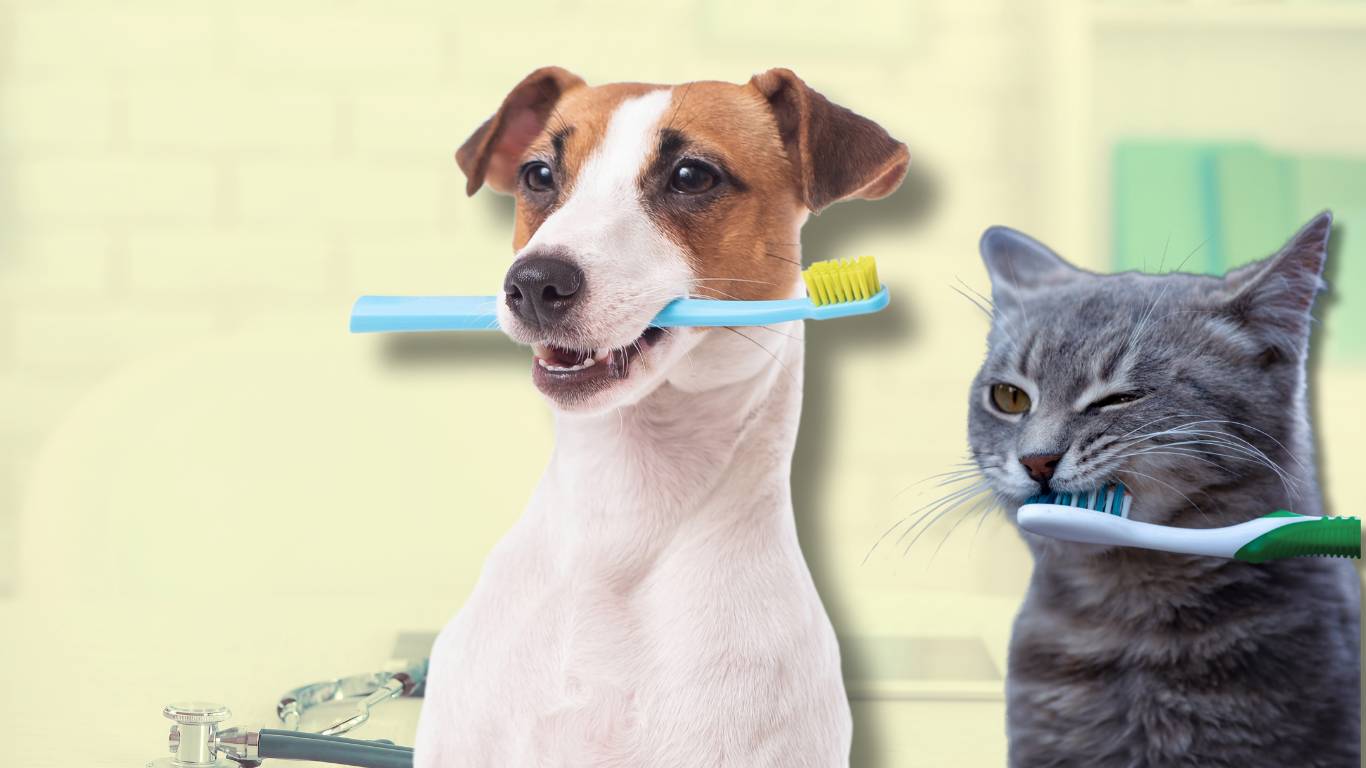
When it comes to pet care, many owners focus on nutrition, exercise, and grooming, but one crucial aspect often gets overlooked—dental health. Just like humans, pets require regular dental care to prevent bad breath, gum disease, and other serious health issues. In this guide, we’ll cover why pet dental hygiene matters, common problems, and how you can maintain your furry friend’s oral health.
Why Dental Health Matters for Pets
Dental disease is one of the most common health issues in dogs and cats. According to the American Veterinary Medical Association (AVMA), by the age of three, most pets show signs of periodontal disease (AVMA). Poor oral health can lead to pain, infections, and even affect vital organs like the heart and kidneys.
Recognizing Dental Problems in Pets
Be aware of these common signs of dental disease:
- Persistent bad breath (often an early indicator)
- Tartar buildup on teeth (yellow or brown)
- Red, swollen, or bleeding gums
- Difficulty eating or food avoidance
- Excessive drooling
- Pawing at the mouth
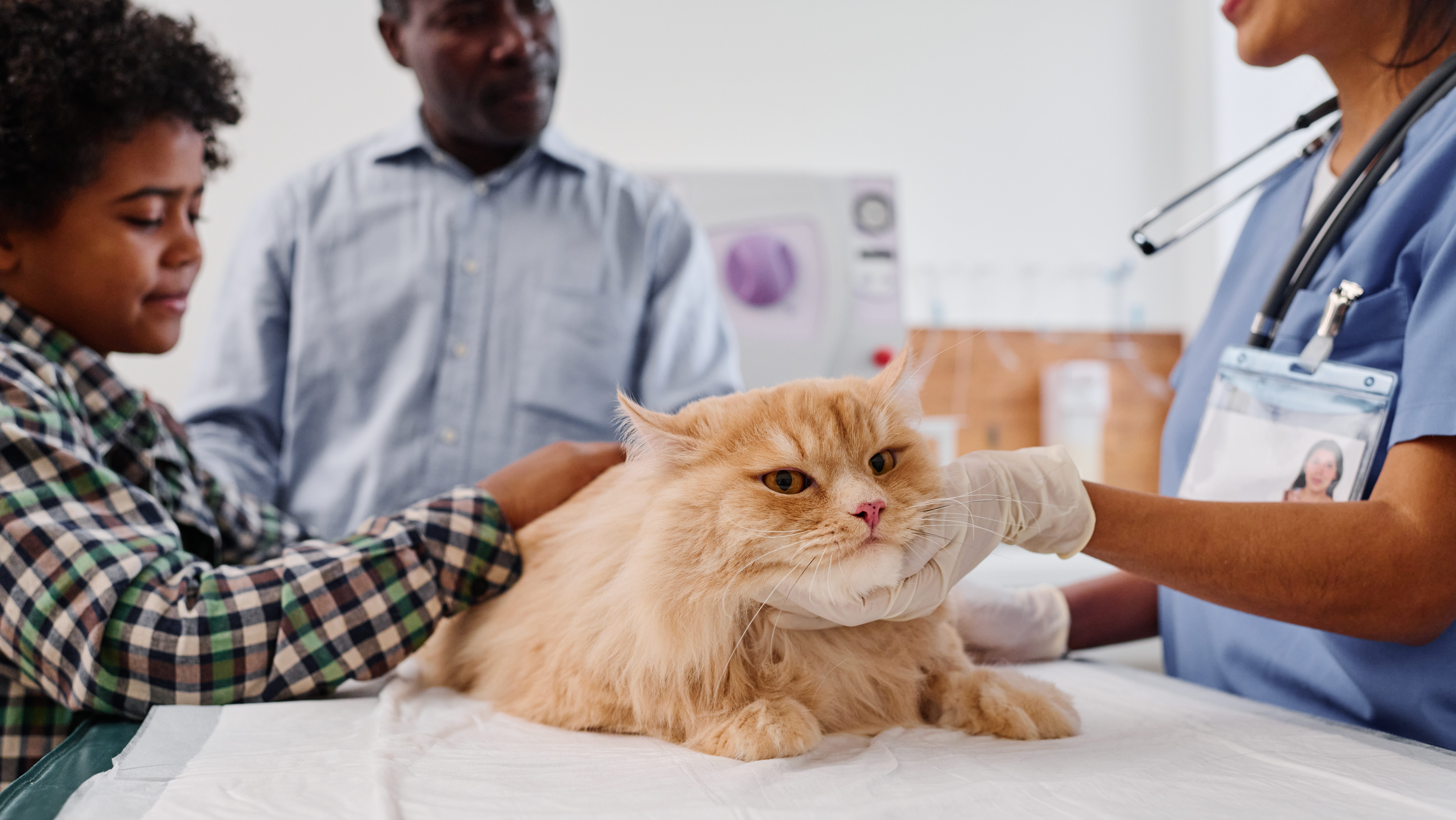
If your pet exhibits any of these symptoms, schedule a vet visit as soon as possible.
How to Keep Your Pet’s Teeth Clean
1. Regular Tooth Brushing
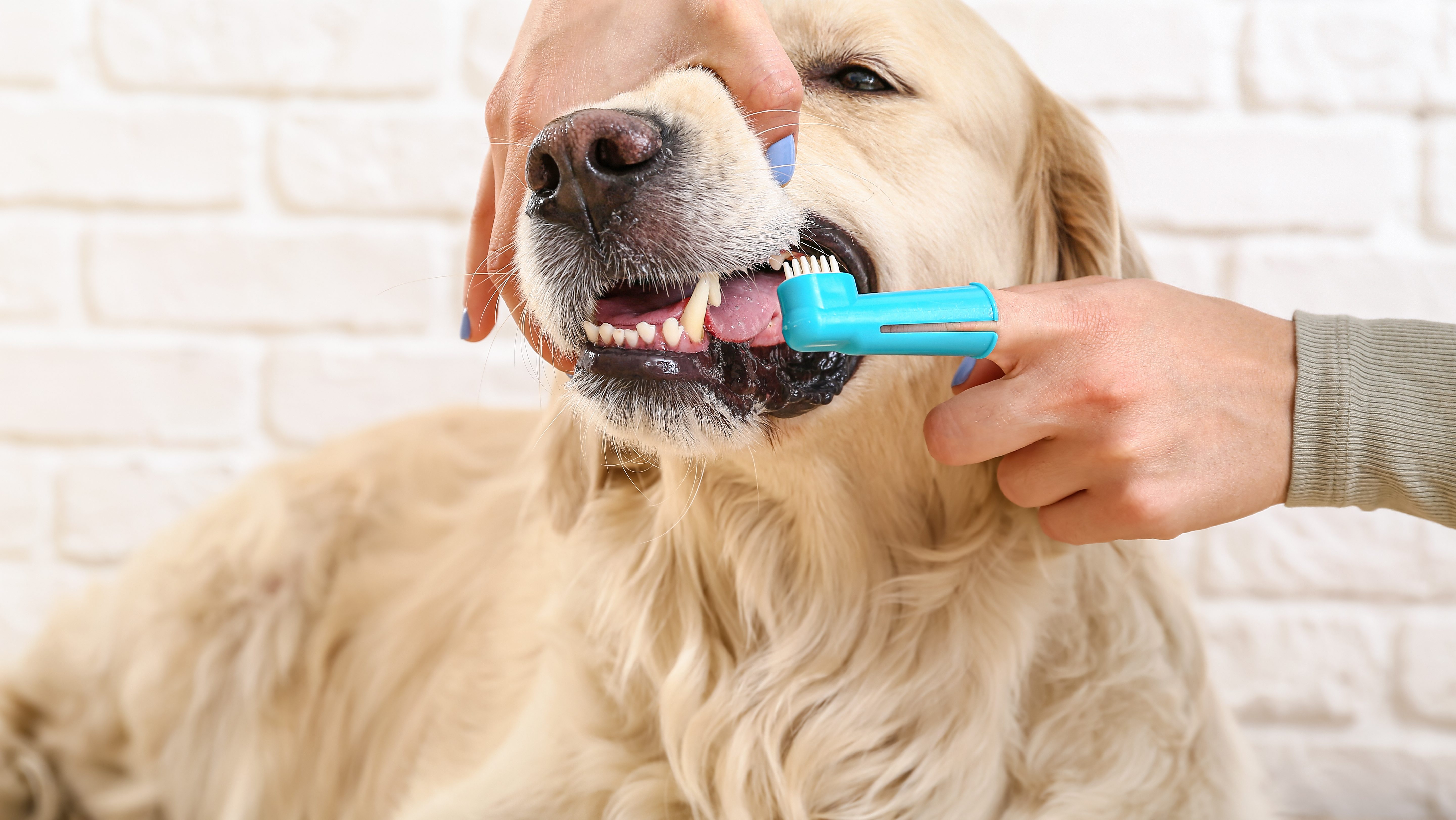
Brushing your pet’s teeth is the most effective way to prevent plaque and tartar buildup. Use a pet-friendly toothbrush and toothpaste (never human toothpaste, as it contains toxic ingredients like xylitol). Start slow and make it a positive experience with treats and praise. Aim for brushing at least 3 times a week.
2. Dental Chews & Toys
Chewing helps remove plaque naturally. Look for VOHC-approved dental chews (Veterinary Oral Health Council) that promote oral hygiene. Toys designed for dental health can also massage gums and reduce tartar.
3. Professional Dental Cleanings
Even with regular brushing, professional cleanings by a vet are necessary. These cleanings involve scaling below the gumline, where bacteria thrive. Most vets recommend annual cleanings, though some pets may need them more frequently.
4. Dental Diets & Treats
Some pet foods are formulated to reduce plaque buildup. Look for brands with larger kibble designed to clean teeth while chewing. You can also incorporate dental treats into your pet’s diet for extra oral care support.
5. Water Additives & Oral Rinses
Water additives are an easy way to maintain oral health between brushings. They help reduce plaque and freshen breath. Oral rinses designed for pets can also help control bacteria in the mouth.

Preventative Care: The Key to Healthy Teeth
Preventing dental disease is easier than treating it. Start dental care early, whether you have a puppy, kitten, or an older pet. Make oral hygiene part of your pet’s routine to ensure a happy, healthy life.
For more pet care tips and recommendations, explore our website or contact your veterinarian for personalized advice!
Sources:
 Pawsitive Landing Project